

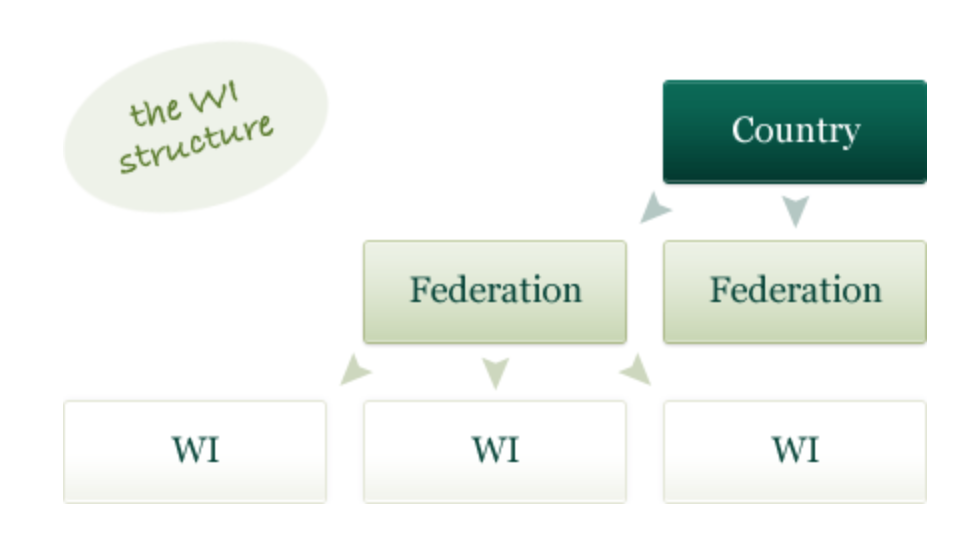
The Women’s Institute (WI) was formed in 1915 to revitalise rural communities and encourage women to become more involved in producing food during the First World War. Since then the organisation’s aims have broadened and the WI is now the largest voluntary women’s organisation in the UK. The National Federation of WIs currently has over 210,000 members in approximately 7,000 institutes in England, Wales, the Channel Islands and the Isle of Man.
What are the values of the WI?
The WI is based on the ideals of fellowship, truth, tolerance and justice. It plays a unique role in providing women with educational opportunities and the chance to build new skills, to take part in a wide variety of activities and to campaign on issues that matter to them and their communities.
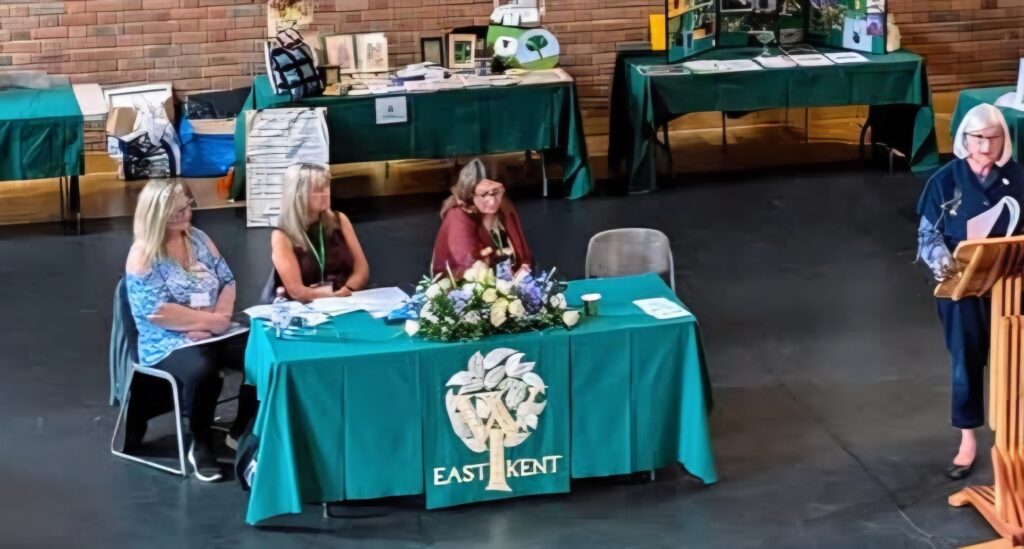
Margate WI shares these values and joins over one hundred other WIs across the East Kent area overseen by the East Kent Federation of WIs.
WI Campaigns
Each year the WI campaigns to change things for the better by tackling the issues that matter to members. From equal pay to climate change, from gaps in the midwifery workforce to the plight of the honey bee, WI members have embraced a diverse set of challenges and built a reputation for the WI as a practical and ambitious organisation that doesn’t shy away from tricky issues. Read more about the wide range of WI campaigns and recent successes here.
Bystanders Can Be Lifesavers
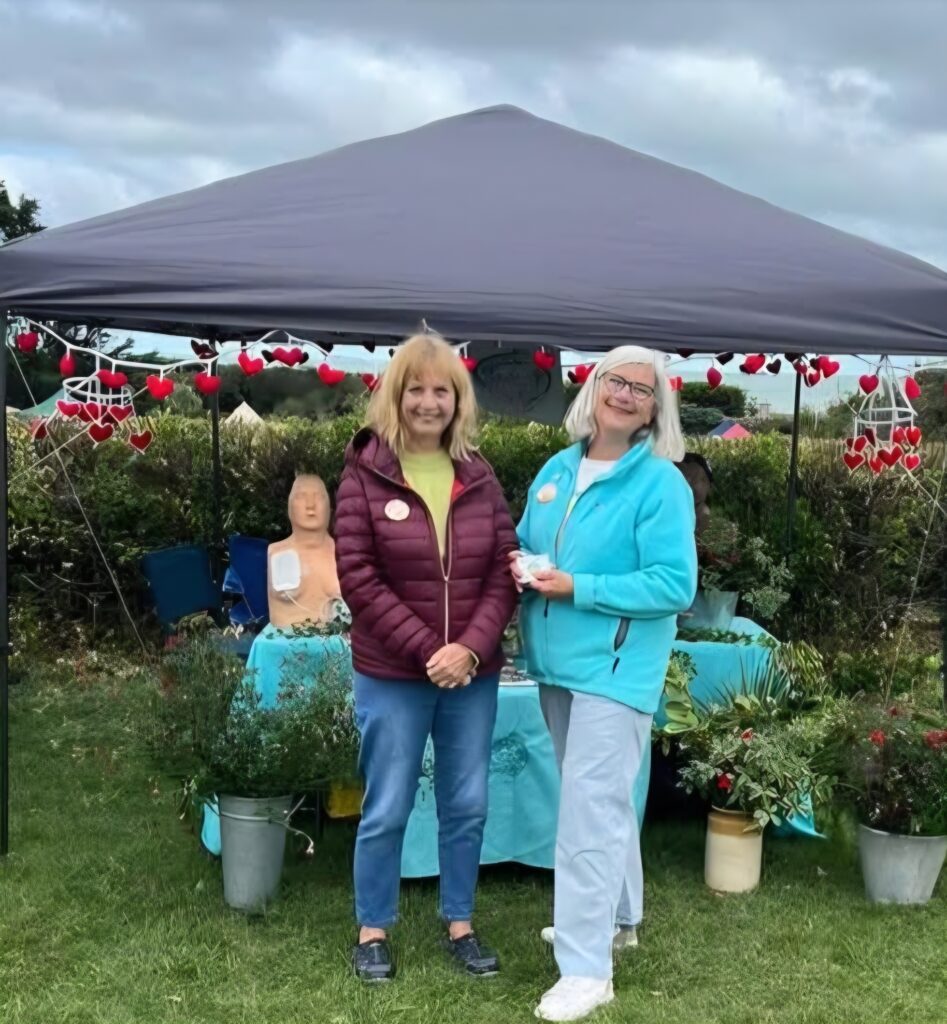
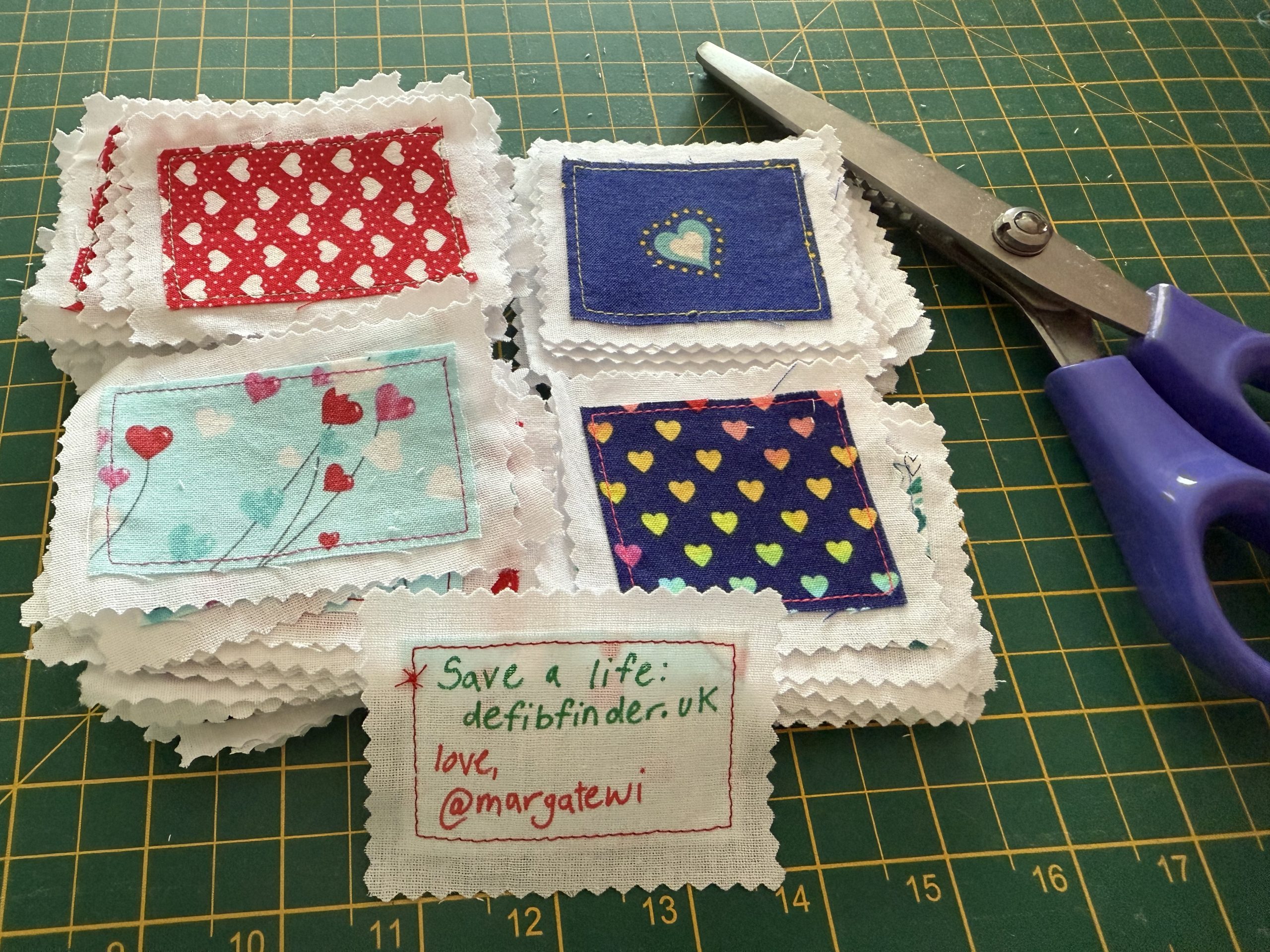
This campaign calls on WI members to work together to increase public confidence and training in the delivery of CPR and to work with local organisations to help improve access to defibrillators in their communities. In 2024 Margate WI members welcomed the Community Lifesavers to a meeting, where t.hey had the chance to learn how to recognise a cardiac arrest, deliver CPR and use a defibrillator. They were also introduced to the website defibfinder.uk where they could find their nearest available defibrillator. They realised how important that knowledge could be in a medical emergency.
But there were worrying revelations too; some defibrillators are not always available, perhaps due to where they are sited, or because they are overdue for maintenance checks. Some were also not properly registered, so emergency services would never know where they were.
Members also found out that the survival rates of women having a cardiac arrest are worse than men, partially because the bra removal needed to use a defibrillator sometimes deterred people from offering rapid first aid. It was an enlightening meeting which got members asking: ‘What can we do to improve this situation?’
The result was the creation of Bystanders Can Be Lifesavers, which was put forward to the National Federation of WIs as a proposal for a new national campaign. In 2025 it won the hearts of WI members across the UK, who voted for Bystanders Can Be Lifesavers to be adopted as the next big call for change by the Women’s Institute. We hope that by raising awareness of this issue, it will help to improve the survival rates of those who go into cardiac arrest. Read more about the national campaign here
Litter Picking
In 1954, the Women’s Institute created a campaign calling for action against litter in the countryside, known as ‘Keep Britain Tidy’. In 2023 Margate WI launched their own litter picking group to help keep Margate marvellous, and as a nod to the original WI members from 1954. This group is now called ‘Mermaids get Trashed’ (you can see a photo on the Sub-groups page here).